How AI is Transforming Marketing Strategies in 2026
Why AI in Marketing Matters More Than Ever
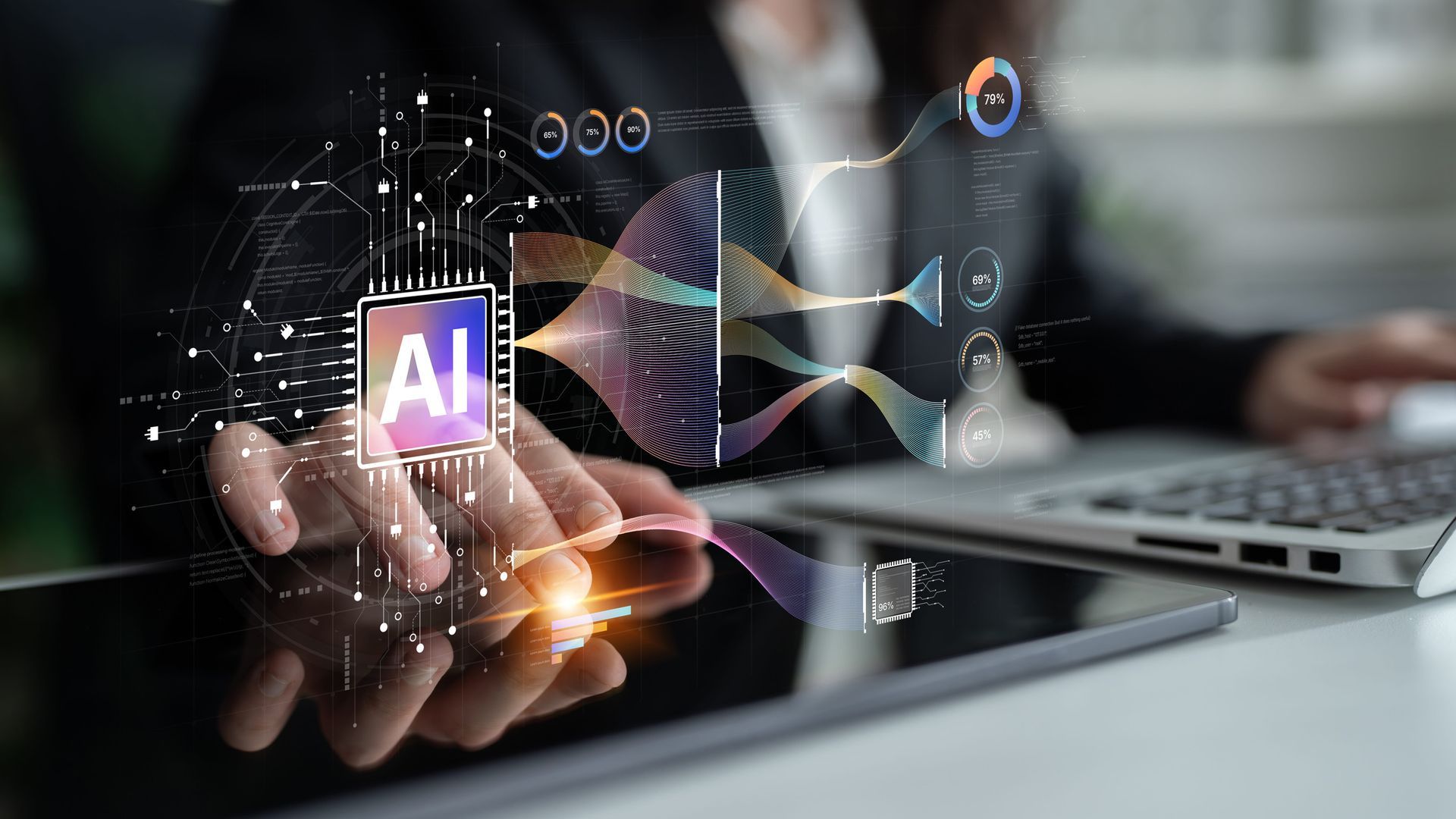
Artificial Intelligence (AI) is no longer a future concept in marketing. It is actively shaping how businesses attract, engage, and convert customers in 2026. From predictive analytics to automated content creation, AI in marketing strategies is helping brands make faster, smarter, and more profitable decisions.
Modern digital marketing is driven by data. AI takes that data and turns it into actionable insights that improve performance across SEO, paid advertising, social media marketing, and customer experience.
Businesses that adopt AI marketing tools early are seeing stronger ROI, improved targeting accuracy, and more efficient campaign execution compared to traditional marketing methods.
How AI is Changing Marketing Strategies
MAI is transforming marketing strategies in several key ways, starting with how businesses understand their audiences.
AI-powered analytics tools can process large volumes of user data in real time. This allows marketers to identify patterns in customer behaviour, predict future actions, and personalise campaigns at scale.
Instead of relying on broad audience assumptions, AI enables hyper-targeted marketing strategies that speak directly to user intent.
AI is also improving content creation. Tools powered by machine learning can now generate ad copy, blog outlines, product descriptions, and even email campaigns. While human creativity remains essential, AI significantly speeds up production and improves consistency across channels.
Another major shift is automation. AI allows marketers to automate repetitive tasks such as bidding adjustments in Google Ads, audience segmentation, email scheduling, and performance reporting. This frees up time for strategic decision-making rather than manual execution.
AI and Data-Driven Decision Making
One of the most powerful benefits of AI in marketing is its ability to support data-driven decision-making.
AI tools analyse campaign performance in real time and provide insights that help marketers adjust strategies instantly. Instead of waiting for weekly or monthly reports, businesses can now optimise campaigns continuously.
This improves efficiency and reduces wasted ad spend. For example, AI can identify which keywords are underperforming in a Google Ads campaign or which social media audiences are most likely to convert.
By using AI-driven insights, businesses can focus their budgets on high-performing strategies and eliminate guesswork from marketing decisions.
Personalisation at Scale
Modern consumers expect personalised experiences. AI makes it possible to deliver personalised marketing at scale without increasing workload. AI systems analyse user behaviour, preferences, and engagement history to create tailored messaging across websites, ads, and email campaigns.
This means two users visiting the same website may see different content based on their interests or past interactions. Personalisation improves engagement rates, increases conversions, and strengthens customer relationships because users feel understood and valued.
AI in SEO and Content Strategy
AI is also transforming SEO strategies. Search engines are becoming more intelligent, and AI tools help marketers keep up with evolving algorithms. AI-powered SEO platforms can identify keyword opportunities, analyse competitors, and optimise content for search intent.
Instead of focusing only on high-volume keywords, AI helps marketers target long-tail, intent-driven search terms that are more likely to convert. In content strategy, AI can also suggest topic clusters, structure blog outlines, and optimise readability for both users and search engines.
AI in Paid Advertising
AI plays a major role in paid media strategies, such as Google Ads and social media advertising.
Smart bidding strategies use AI to automatically adjust bids in real time, based on how likely a user is to complete a desired action, such as making a purchase or submitting a form. This ensures ad spend is allocated more efficiently. AI improves audience targeting by identifying users most likely to convert using their behaviour patterns and previous interactions.
This results in lower cost per acquisition, improved click-through rates, and higher return on ad spend.
The Role of AI in Customer Experience
Customer experience is another area where AI is making a significant impact.
Chatbots and virtual assistants provide instant support to users, improving response times and reducing friction in the buying journey. AI can also predict customer needs and recommend products or services before the user actively searches for them.
This proactive approach improves satisfaction and increases conversion opportunities.
Challenges of AI in Marketing
While AI offers many advantages, it is not without challenges.
Businesses must ensure data accuracy, maintain human oversight, and avoid over-reliance on automation. AI is most effective when combined with human strategy, creativity, and brand understanding. Marketers must also ensure ethical use of data and transparency in how AI-driven decisions are made.
How Primeria Uses AI in Marketing
At Primeria, we integrate AI into our digital marketing strategies to improve performance across SEO, PPC, and social media campaigns. We use AI tools to analyse data, optimise campaigns, and identify growth opportunities faster and more accurately.
However, every strategy is still guided by human expertise. AI supports decision-making, but strategy, creativity, and execution remain at the core of our approach. This combination ensures that our clients benefit from both advanced technology and strategic thinking.
AI is Reshaping Marketing Performance
AI is no longer optional in modern marketing. It is a key driver of efficiency, personalisation, and performance.
Businesses that embrace AI marketing strategies are better positioned to scale, compete, and achieve sustainable growth in 2026 and beyond.
Contact us today on (+44) 203 989 6007for a free consultation.